Source Recyclable Plastic Lip Gloss Container for Packaging
Find and compare 30 recyclable plastic lip gloss container options from verified manufacturers. Evaluate specifications like capacity, material, and customization features to select the ideal packaging solution for your cosmetic brand; compare the available evidence and request quotations based on your requirements.
Key considerations
Products List


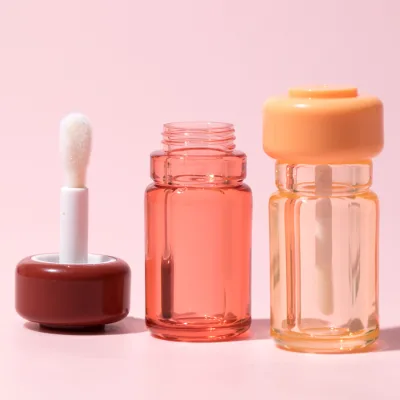


Comprehensive Sourcing Guide
Recyclable Plastic Lip Gloss Container Sourcing Guide
Procuring recyclable plastic lip gloss containers requires balancing aesthetic flexibility with strict material sustainability claims. Buyers must verify that the "recyclable" attribute applies to the specific polymer blend used, as the observed product data lists "Plastic" and "ABS" as primary materials. This distinction is critical because ABS offers durability for screw caps, while the bottle material labeled "as" suggests a variable polymer that may impact recycling streams. Sourcing teams should prioritize suppliers who can explicitly define the resin type to ensure the final packaging aligns with regional recycling infrastructure capabilities.
Commercial viability often hinges on the observed minimum order quantities ranging from 6,000 to 20,000 pieces. These thresholds indicate that suppliers are targeting bulk cosmetic manufacturers rather than small-batch startups. Buyers must assess whether their volume needs justify these MOQs or if they can negotiate tiered pricing structures. Additionally, the presence of customized logo printing and mixed color options suggests a high degree of flexibility, but this customization must be weighed against the potential for increased production complexity and longer lead times associated with non-standard runs.
Product Scope and Observed Listing Signals
The market for these containers spans multiple functional categories, including both cosmetic applications like lip gloss and potential medicinal uses. The observed product data confirms a dual function for "Make-up" and "Medicine," indicating that the containers are designed to meet diverse regulatory and safety standards. This versatility allows buyers to source a single SKU for different product lines, provided the internal coating and material compatibility are verified for the specific formulation. The "Lip Gloss Container" and "Lipstick Tube" designations further highlight the need to match the container geometry to the viscosity of the product being packaged.
Visual and dimensional specifications vary significantly across the observed listings, with capacities ranging from 3.5ml to 7ml and lengths extending up to 128.5mm. Buyers must carefully cross-reference the "prod_standard" dimensions, such as the 14.6106.4mm or 19.6110mm profiles, against their existing packaging machinery. A mismatch in these physical attributes can lead to significant operational disruptions during the filling and capping processes. The "Layer Packed in Carton" and "Carton" packing methods also suggest that storage density and shipping efficiency are key factors in the overall product scope.
Technical Specifications to Verify
Dimensional precision is paramount when selecting a container, as the observed models like LG-414 and LG-680 have distinct height and diameter requirements. Buyers should request detailed CAD drawings or physical samples to confirm that the 14.6mm or 19.6mm widths align with their filling nozzles and capping heads. The capacity specifications, which include 4.5ml, 5.5ml, and 6.5ml options, must be validated against the actual fill volume to prevent under-filling or over-pressurization of the bottle. Relying solely on the listed "prod_standard" text without physical verification can result in costly production line adjustments.
Material composition and closure mechanisms require rigorous scrutiny to ensure long-term product integrity. The data indicates the use of ABS for caps and unspecified plastic for bottles, necessitating a check on chemical resistance against the specific lip gloss formula. The "Screw Cap" feature is standard, but the thread pitch and sealing mechanism must be tested to prevent leakage during transit. Furthermore, the "Surface Handling" via screen printing must be evaluated for adhesion durability, ensuring that the customized logos do not rub off or fade when exposed to the oils and solvents typically found in cosmetic formulations.
Compliance and Safety Documentation
Regulatory compliance is a primary concern, with ISO and ISO 9001 certifications appearing as high-confidence facts in the product data. Buyers should request valid, current certificates from the supplier to confirm that their quality management systems meet international standards. While RoHS is mentioned in low-confidence background notes, it should not be assumed as a guaranteed attribute without explicit documentation. Procurement teams must verify that the plastic materials used are free from restricted substances and are safe for direct contact with cosmetics or medicinal products intended for women.
Safety documentation must also address the specific usage claims of the containers for both cosmetic and medicinal purposes. The "Industrial Use" is listed as "Cosmetic," but the "Function" includes "Medicine," which may trigger stricter regulatory requirements depending on the destination market. Buyers need to ensure that the supplier provides Material Safety Data Sheets (MSDS) and migration test results to prove that no harmful chemicals leach from the plastic into the product. Without these documents, the risk of non-compliance with FDA or EU regulations remains high, potentially leading to product recalls or market bans.
Cost Drivers and Commercial Terms
Pricing in this sector is heavily influenced by the observed minimum order quantities, which range from 6,000 to 20,000 pieces. Higher volumes typically unlock lower unit costs, but the initial capital outlay can be significant for new brands. Buyers should analyze the price range of 0.03 to 1 USD per unit against their projected sales volume to determine the most cost-effective order size. It is essential to clarify whether the quoted price includes the cost of custom logo printing, as this value-added service can substantially impact the final landed cost.
Logistics and packaging details also play a critical role in the total cost of ownership. The "Single gross weight" of 13.300 kg and "Single package size" of 41X30X32 cm provide a baseline for calculating shipping expenses. Buyers must verify if the "Layer Packed in Carton" method optimizes container density to reduce freight costs. Additionally, the "Sample Time" of 15 days should be factored into the overall project timeline, as delays in sample approval can push back the entire production schedule and increase inventory holding costs.
Supplier Qualification and Quality Control
Supplier qualification should focus on their ability to handle customized orders while maintaining consistent quality. The data confirms that "OEM/ODM" services are accepted and "Customized Logo" printing is available, indicating a flexible manufacturing base. However, buyers must assess the supplier's track record for meeting the "15 days" sample time and their capacity to scale production to the 20,000-piece upper MOQ limit. A supplier's ability to manage complex color variations, such as the "Multi-Colored" and "Mixed Color" options, is a strong indicator of their operational maturity.
Quality control protocols must be established to ensure that every batch meets the specified dimensional and material standards. Buyers should implement a rigorous inspection plan that checks for defects in the "Screw Cap" threading and the integrity of the "Screen Printing" surface. Given the "Place of Origin" in Zhejiang, China, and the "Ningbo" location, it is advisable to conduct third-party inspections before shipment to verify that the "prod_model" specifications match the physical goods. This step is crucial to prevent receiving containers that are slightly out of tolerance, which could cause jams on automated filling lines.
Long-Term Procurement Checks
Sustainability commitments require ongoing verification to ensure that the "recyclable" claim remains valid as materials and regulations evolve. Buyers should periodically audit the supplier's material sourcing to confirm that the plastic composition has not shifted to non-recyclable blends. The "Product Name" and "Brand Name" associations, such as Hexi, should be monitored to ensure the supplier maintains their reputation for quality and environmental responsibility. Long-term partnerships should include clauses that mandate immediate notification of any changes in material composition or manufacturing processes.
Market dynamics and supply chain resilience must be evaluated regularly to mitigate risks associated with fluctuating raw material prices. The observed "MOQ" of 6,000 to 20,000 pieces suggests a supply chain optimized for stability rather than agility. Buyers should develop contingency plans for potential disruptions, such as raw material shortages or logistics delays, which could impact the "Sample Time" and production lead times. Establishing a diversified supplier base and maintaining safety stock can help ensure a steady flow of recyclable plastic lip gloss containers for continuous operations.
FAQs
What materials are used for these lip gloss containers?
These containers are made from plastic with ABS caps. The product features a recyclable design suitable for cosmetic packaging. The liquid form is housed in a sturdy structure. This combination ensures durability and aesthetic appeal for branding purposes. The material choice supports sustainable sourcing goals for modern cosmetic brands.
What are the available capacity options for these containers?
Available capacities include 3.5ml, 4.5ml, 5.5ml, 6.5ml, and 7ml. Specific models like LG-256 hold 3.5ml while LG-680 holds 7ml. These sizes cater to various lip gloss formulations. Buyers can select the volume that best fits their product requirements. The range allows for flexible packaging strategies across different market segments.
Can I customize the logo on these lip gloss containers?
Yes, customized logos are accepted for these containers. The surface handling includes silk screen printing for branding. Buyers can add their unique design to the plastic body. This customization supports brand identity and market differentiation. The process allows for tailored visual elements on the final product.
What is the minimum order quantity for these containers?
The minimum order quantity is 6000 pieces. Some listings indicate a range up to 20000 pieces. This MOQ ensures efficient production and shipping logistics. Buyers should plan their inventory needs accordingly. The quantity requirement supports bulk manufacturing processes for cost-effective sourcing.
Where are these lip gloss containers manufactured?
These containers originate from Ningbo, Zhejiang, China. The location is a known hub for cosmetic packaging. Buyers can expect established supply chain infrastructure from this region. The origin supports reliable production capabilities and export readiness. This geographic detail helps in assessing logistics and shipping timelines.
What certifications do these plastic containers hold?
These containers hold ISO and ISO 9001 certifications. These standards indicate quality management and manufacturing consistency. Buyers can rely on these certifications for compliance requirements. The certifications ensure that production processes meet international benchmarks. This adds credibility to the sourcing decision for global markets.